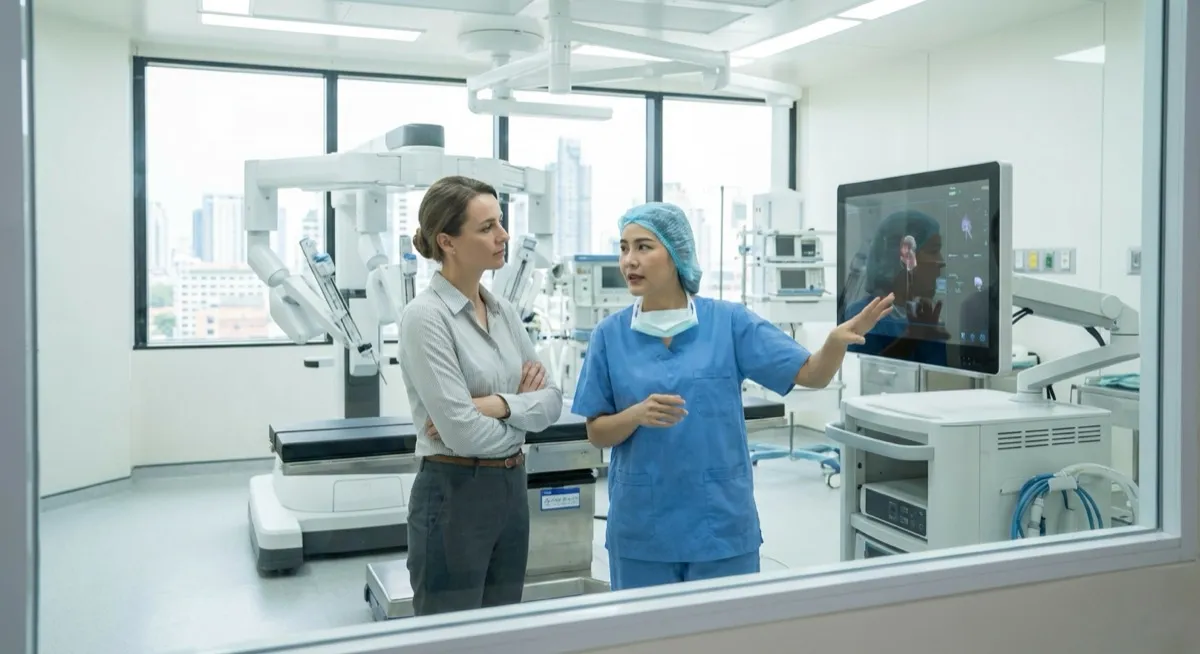
Is cosmetic surgery in Thailand safe? It is one of the most common questions international patients ask, and it deserves a thorough, honest answer. The short version is yes, cosmetic surgery in Thailand is safe when you choose the right hospital and surgeon. Thailand has spent decades building one of the most advanced private healthcare systems in the world, and its top hospitals meet or exceed the standards found in the United States, United Kingdom, and Australia. But like any country, the quality of care varies between providers, which is why understanding how to evaluate safety is so important.
Thailand treats an estimated 3.5 million international medical tourists per year, making it one of the top medical tourism destinations on the planet. This volume is not sustained by luck or marketing. It is sustained by consistent clinical outcomes, rigorous hospital standards, and a medical culture that takes patient safety seriously. This guide explains exactly what those safety standards look like, how to verify them, and what red flags to watch for when choosing a provider.
Whether you are considering rhinoplasty, breast augmentation, a facelift, or any other cosmetic procedure, understanding the safety landscape in Thailand will give you the confidence to make an informed decision and the knowledge to choose a provider you can trust.
JCI Accreditation Explained
Joint Commission International accreditation is the gold standard in global healthcare quality, and it is the single most important credential to look for when evaluating a Thai hospital. JCI is an independent, nonprofit organization based in the United States that evaluates hospitals worldwide against more than 1,000 patient care and safety standards. These standards cover everything from surgical protocols and infection control to medication management, patient rights, and facility maintenance. A hospital that holds JCI accreditation has been independently verified to meet the same rigorous standards required of top hospitals in the West.
Thailand has more JCI-accredited hospitals than any other country in Southeast Asia. Major institutions including Bumrungrad International Hospital, Bangkok Hospital, Samitivej Sukhumvit, and MedPark Hospital all maintain current JCI accreditation. These hospitals undergo regular re-evaluation to maintain their accredited status, which means the standards are not a one-time achievement but an ongoing commitment to quality. When you choose a JCI-accredited hospital for your cosmetic surgery, you are choosing a facility that has been held to the highest international benchmarks for patient safety.
It is worth noting that JCI accreditation covers the hospital as an institution, not individual surgeons. A JCI-accredited hospital ensures that the facility, equipment, protocols, and nursing care meet international standards. The qualifications of your specific surgeon are a separate but equally important factor, which we address in the next section.
Surgeon Qualifications in Thailand
Thai plastic surgeons are among the most highly trained in the world. To practice cosmetic surgery in Thailand, a surgeon must first complete a six-year medical degree, followed by a minimum of four to five years of surgical residency training. Surgeons who specialize in plastic and reconstructive surgery then complete an additional two to three years of fellowship training specifically in their field. This means a fully qualified Thai plastic surgeon has a minimum of twelve to fourteen years of post-secondary education and training before they begin independent practice.
The Royal College of Surgeons of Thailand and the Thai Board of Plastic and Reconstructive Surgery oversee certification and maintain standards for surgical practice. Board certification from these bodies indicates that a surgeon has passed rigorous examinations and met the clinical experience requirements set by the national medical authority. Many of Thailand's top cosmetic surgeons have also completed additional fellowship training at prestigious institutions in the United States, United Kingdom, Japan, or Australia, adding international perspective and technique to their already comprehensive Thai training.
The sheer volume of cosmetic procedures performed in Thailand gives its top surgeons an extraordinary depth of hands-on experience. A busy Bangkok cosmetic surgeon may perform hundreds of rhinoplasties, breast augmentations, or facelifts per year, developing a level of technical refinement that comes only from repetition at scale. This combination of rigorous training and high-volume practice is a significant safety advantage that Thailand offers.
Hospital Standards vs Western Countries
Thailand's top private hospitals are genuinely world-class facilities that rival or exceed the standards of major hospitals in the West. Walking into Bumrungrad International or MedPark Hospital for the first time, most international patients are struck by how modern, clean, and well-organized these institutions are. The operating theaters are equipped with the latest surgical technology, the nursing ratios are excellent, and the infection control protocols follow the same evidence-based guidelines used in American and European hospitals.
One area where Thailand's private hospitals often surpass their Western counterparts is in the patient experience. Thai hospitals invest heavily in service quality, offering private rooms that feel more like luxury hotel suites, personal nursing attention that is more attentive than what most Western patients are accustomed to, and patient-to-staff ratios that ensure you are never waiting long for assistance. This hospitality-driven approach to healthcare is not superficial. It contributes to better patient outcomes because well-cared-for patients recover faster and report higher satisfaction.
Thailand's private healthcare sector also benefits from intense market competition. With multiple world-class hospitals competing for international patients, there is constant pressure to invest in the latest technology, recruit the best surgeons, and maintain the highest safety standards. This competitive dynamic drives continuous improvement across the sector and ensures that standards remain high.
How to Verify Your Surgeon
Verifying your surgeon's credentials before committing to a procedure is one of the most important steps you can take to ensure your safety. Start by confirming that your surgeon is board-certified by the Thai Board of Plastic and Reconstructive Surgery. You can request this information directly from the hospital or clinic, and a reputable surgeon will be happy to share their credentials. Check whether your surgeon is a member of professional organizations such as the Society of Plastic and Reconstructive Surgeons of Thailand or the International Society of Aesthetic Plastic Surgery.
Review your surgeon's before-and-after portfolio carefully, paying particular attention to patients with similar anatomy and goals to yours. A comprehensive portfolio demonstrates experience and gives you a realistic preview of the surgeon's aesthetic style. Ask how many times your surgeon has performed your specific procedure, what their complication rate is, and how they handle complications when they occur. A confident, experienced surgeon will answer these questions openly and without defensiveness.
Request a virtual consultation before traveling to Thailand. This gives you the opportunity to assess the surgeon's communication skills, their willingness to listen to your goals, and whether you feel comfortable and confident in their care. If a surgeon is dismissive of your questions, makes unrealistic promises, or pressures you to commit quickly, consider these serious warning signs and continue your search elsewhere.
Red Flags to Watch For
While Thailand's top hospitals and surgeons maintain excellent safety standards, not every provider meets those standards. Knowing what red flags to watch for is essential for protecting yourself. Be wary of clinics that advertise prices that are dramatically lower than the market average. Extremely low prices often indicate that the clinic is cutting corners on materials, equipment maintenance, staffing, or surgeon qualifications. Quality cosmetic surgery requires significant resources, and pricing that seems too good to be true usually is.
Avoid clinics that do not hold recognized accreditation or that cannot provide verifiable surgeon credentials. A legitimate clinic will proudly display its accreditations and will readily share information about its surgeons' training and experience. Be cautious of clinics that rely heavily on social media marketing with before-and-after photos that seem overly filtered or inconsistent. Request to see unedited photographs taken in clinical settings with consistent lighting and angles.
Other red flags include clinics that pressure you to book quickly without adequate consultation time, surgeons who guarantee specific results without discussing risks, facilities that appear dated or poorly maintained, and any provider that discourages you from seeking a second opinion. Trust your instincts. If something feels off during your research or consultation, it probably is. There are plenty of excellent, transparent, and safe providers in Thailand, and you should never feel pressured to compromise on safety.
How BeeLink Vets Every Provider
At BeeLink, patient safety is not negotiable. Every hospital and surgeon in our network has been personally vetted by our team through a rigorous evaluation process that goes far beyond checking credentials on paper. We visit facilities in person, observe clinical operations, review patient outcomes data, and maintain ongoing relationships with the surgeons we recommend. If a provider does not meet our standards for safety, quality, and patient care, they are not in our network, regardless of their marketing or reputation.
Our vetting process evaluates JCI accreditation status, individual surgeon board certification and fellowship training, facility cleanliness and equipment standards, nursing staff qualifications and patient ratios, complication rates and how complications are managed, and the quality of post-operative care protocols. We also collect feedback from every patient we refer, which gives us continuous real-world data on each provider's performance. If a provider's standards slip, we know about it quickly and take action.
When you work with BeeLink, you benefit from this rigorous vetting without having to do the research yourself. We match you with surgeons and hospitals that meet the highest safety standards for your specific procedure, and we accompany you through the process to ensure that every aspect of your care meets the expectations we have set. Your safety is the foundation of everything we do, and it is the reason our patients return home not just with great results, but with complete confidence that they were in safe hands from start to finish.