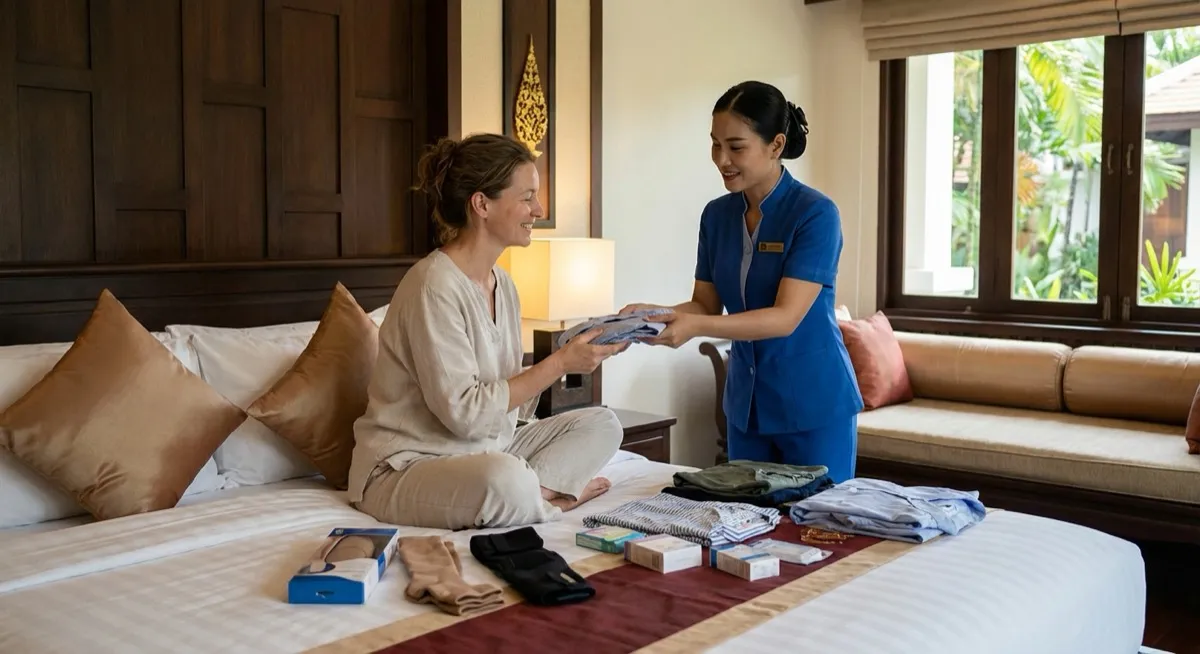
Packing for a cosmetic surgery trip to Thailand is different from packing for a typical vacation. You need to think about comfort during recovery, practical items that support healing, and the right clothing for your specific procedure. Getting your packing list right before you leave home can make a real difference to your recovery experience, saving you the stress of trying to find specific items in a foreign country when you should be resting and healing.
This guide covers everything you need to bring with you, organized by category, so nothing gets forgotten in the excitement and anticipation of your trip. Most of these items are simple and inexpensive, but having them with you from day one will make your recovery smoother, more comfortable, and less stressful.
Essential Documents
Your passport is obviously the most critical item, but make sure it has at least six months of validity remaining from your arrival date in Thailand, as this is a standard entry requirement. Bring printed copies of your travel insurance policy, including the policy number and emergency contact details. If your insurance covers medical procedures abroad, bring the specific coverage documentation that confirms this. Many patients also carry a copy of their insurance card and a printed summary of their coverage in case they need to present it at the hospital.
Bring complete copies of your medical records relevant to your procedure, including any imaging, blood work, and the results of your pre-operative virtual consultation. If you take prescription medications, bring a letter from your home doctor listing your current medications, dosages, and the medical conditions they treat. This information is essential for your Thai surgeon and anesthesiologist to ensure safe treatment. Pack all documents in both digital and printed formats, and keep digital copies accessible on your phone or in cloud storage.
Other important documents include your flight itinerary, hotel booking confirmations, hospital appointment details, and your concierge contact information. Having everything organized and accessible reduces stress and ensures that if any questions arise at the hospital, you have the answers immediately at hand.
Clothing
The golden rule for post-surgical clothing is loose, comfortable, and easy to put on and take off. Tight clothing that requires raising your arms overhead, bending at the waist, or squeezing into is the last thing you want after surgery. Pack soft, loose-fitting pants with elastic waistbands, oversized t-shirts, and comfortable slip-on shoes that do not require bending down to tie laces.
If you are having breast augmentation or any upper body procedure, pack button-up or zip-front tops and sports bras that fasten in the front. You will not be able to pull clothing over your head comfortably for the first week or more after breast surgery. Loose, open-front shirts also make it easy for nurses to check surgical sites during follow-up appointments without requiring you to fully undress.
For lower body procedures like liposuction or tummy tucks, high-waisted, loose-fitting dresses, drawstring pants, and wrap skirts are ideal. Avoid anything with a tight waistband that sits directly on your incision area. Thailand's warm climate means you do not need heavy clothing, but bring a light cardigan or shawl for air-conditioned hospitals and restaurants, which can be surprisingly cold. Pack dark-colored clothing for the first few days after surgery, as minor staining from drainage or topical medications is normal.
Recovery Essentials
If your surgeon has recommended compression garments, bring them with you from home if possible, especially if you have had a fitting or already own garments in your size. While compression garments are available in Bangkok, having the right size and style from day one ensures you begin your post-operative compression protocol immediately. Your surgeon or concierge team can advise you on the specific type and compression level recommended for your procedure.
Arnica montana, available in tablet or cream form, is widely used by cosmetic surgery patients to reduce bruising and swelling. Many patients start taking arnica a few days before surgery and continue through the recovery period. Bring a supply from home, as specific brands and formulations may not be readily available in Thailand. If your surgeon has prescribed any pre-operative medications, ensure you have a full supply packed in their original labeled containers.
Other recovery essentials include a small travel pillow for elevating your head or supporting your body in specific positions during sleep, a handheld mirror for checking surgical sites that you cannot easily see, and a thermometer for monitoring your temperature during the first few days post-operatively. If you are prone to constipation, which is common after general anesthesia, consider packing a gentle stool softener as well.
Tech and Entertainment
You will spend a significant amount of time resting during the first few days after surgery, so pack entertainment that does not require physical activity. Load your tablet or e-reader with books, download movies and television series to your phone or laptop for offline viewing, and bring quality headphones for watching content without disturbing others in shared hospital areas. A long charging cable that reaches from a wall outlet to your bed or chair is surprisingly useful in hospital rooms and hotel rooms where outlets may not be conveniently located.
Bring a universal power adapter for Thailand, which uses Type A, B, and C plugs operating at 220 volts. Most modern phone and laptop chargers are dual-voltage and will work fine, but check the label on any other electrical devices like hair dryers or straighteners before plugging them in. A portable power bank is also useful for keeping your phone charged during hospital visits and transfers.
If you plan to document your recovery journey, bring your phone or a small camera, but be mindful that you may not feel like taking photos during the first few days. Many patients find it helpful to take daily recovery photos starting from day three or four, as tracking your progress visually can be motivating and reassuring during the sometimes challenging early days of healing.
Comfort Items
Small comfort items from home can make a big difference during recovery. A familiar pillow case, a specific blanket, or a favorite snack can provide psychological comfort when you are far from home and dealing with the discomfort of post-surgical recovery. Lip balm and moisturizer are essential, as hospital environments and air-conditioned rooms can be dehydrating. Wet wipes and dry shampoo are invaluable during the first few days when showering may be restricted or difficult.
Pack a lightweight robe or comfortable lounge set that you can wear around your hotel room or hospital suite. Having something comfortable and presentable to wear when nurses or doctors visit is more pleasant than wearing a hospital gown all day. A small toiletry bag with travel-sized versions of your preferred skincare products, toothbrush, and personal care items keeps essentials within arm's reach without requiring you to get up and rummage through your suitcase.
Consider bringing items that promote relaxation, such as a calming essential oil like lavender, a sleep mask for blocking light during daytime naps, and earplugs for sleeping in hospital environments where noise can be an issue. These small investments in comfort pay dividends during the critical rest period that supports your body's healing process.
What NOT to Pack
Avoid packing tight-fitting clothing, high heels, or any footwear that requires bending down to put on. Leave behind heavy jewelry and expensive accessories that you will not want to wear during recovery and that could create complications around surgical sites. Do not pack blood-thinning supplements like vitamin E, fish oil, or aspirin unless specifically advised by your surgeon, as these can increase bleeding risk during and after surgery.
Do not bring an excessive number of outfits. You will spend most of your recovery time in comfortable lounge wear, and Thailand's affordable shopping and laundry services mean you can easily supplement your wardrobe if needed. Overpacking creates unnecessary weight that you will not want to manage while moving carefully in a post-surgical state. A carry-on suitcase and a personal bag are often sufficient for the outbound trip, leaving room in a checked bag for any items you purchase during your stay.
Skip heavy books, bulky cameras, and large toiletries that add weight and take up space. Thailand has excellent pharmacies, convenience stores, and shopping centers where you can easily purchase anything you have forgotten or need during your stay. Focus your packing on items that are specific to your procedure and recovery, personal comfort essentials, and anything that would be difficult to find or replace abroad.
BeeLink's Pre-Trip Checklist
When you work with BeeLink, your concierge team provides a customized pre-trip checklist tailored to your specific procedure. This goes beyond general packing advice to include procedure-specific clothing recommendations, the exact compression garments your surgeon prefers, any pre-operative supplements or medications to begin before your trip, and a day-by-day packing guide that tells you what you will need and when.
Our team also advises you on what is readily available in Bangkok versus what you should bring from home. Thailand's pharmacies are well-stocked and affordable, and many recovery supplies can be purchased locally at a fraction of the cost in Western countries. However, certain items like specific compression garment brands, particular skincare products, or dietary supplements may be easier to source from home.
Preparation is one of the most important factors in a successful medical tourism experience, and packing is a bigger part of that preparation than most people realize. With the right items in your suitcase and a clear plan for your trip, you arrive in Thailand feeling organized, confident, and ready to focus on what matters most: achieving the results you have been dreaming about.